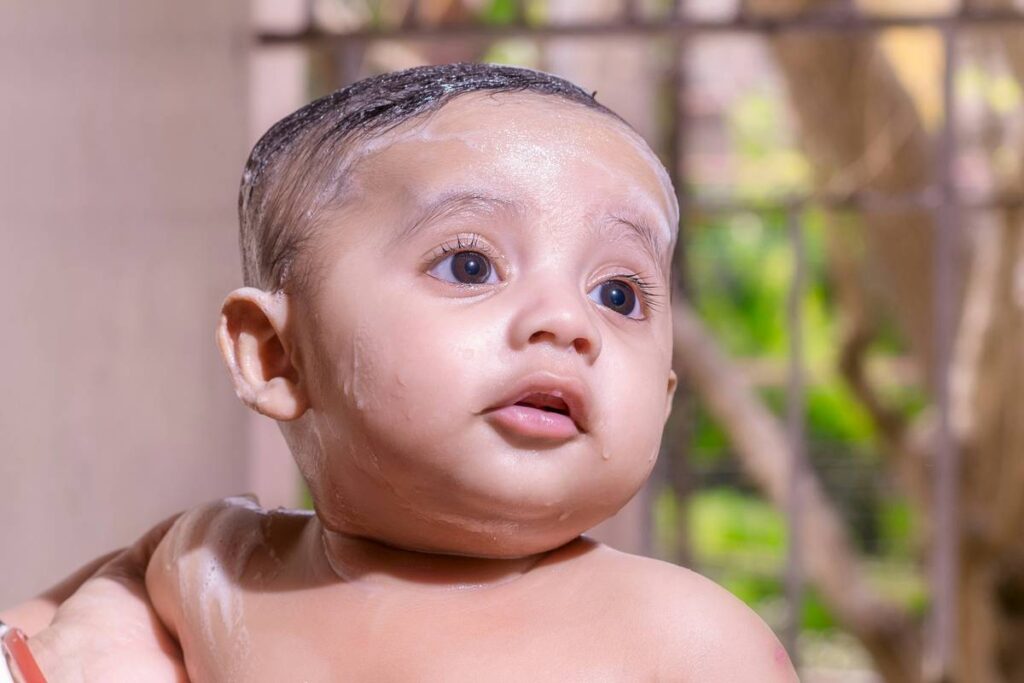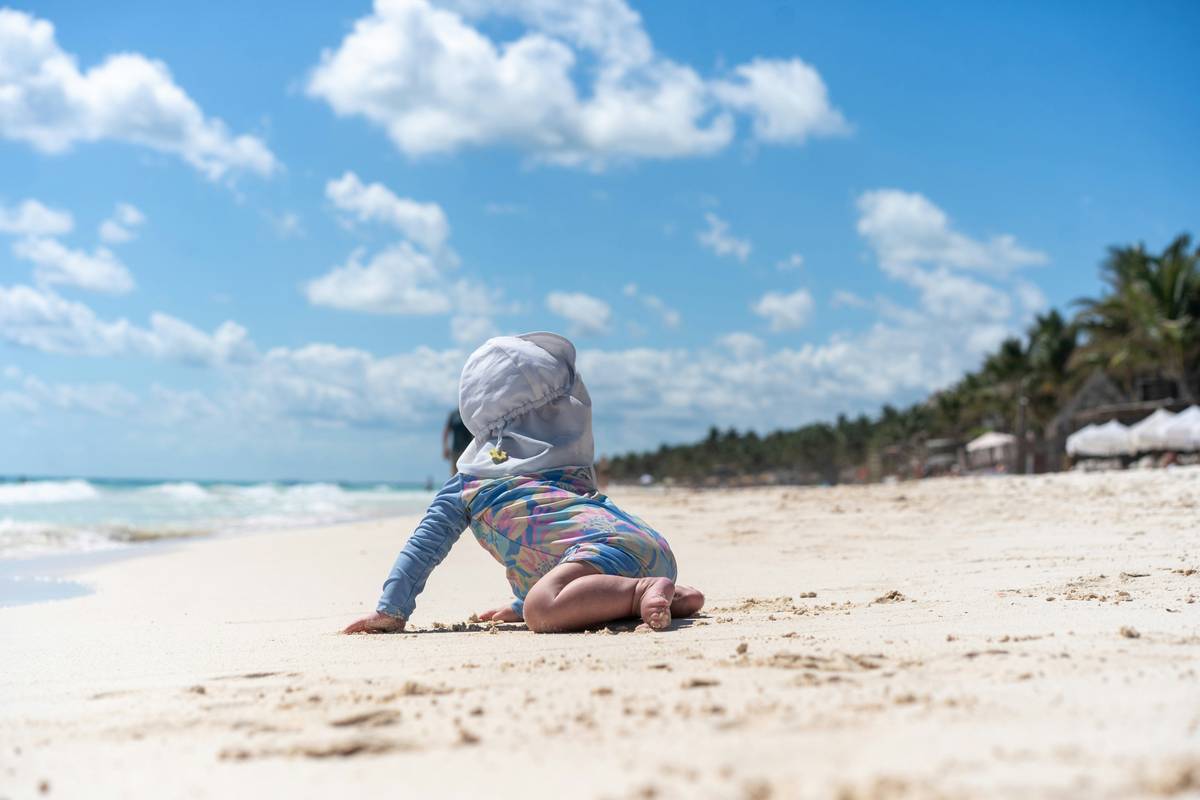
Babies cry under the sun—not just from heat, but from stinging, red, irritated skin. Most parents grab any “baby-safe” sunscreen off the shelf, assuming it’s gentle enough. Big mistake. Conventional formulas often hide harsh chemicals that disrupt delicate infant skin barriers. The solution? A truly mild baby sunscreen—mineral-based, fragrance-free, and rigorously tested for sensitivity.
Why Standard Sunscreens Fail Babies
Adult skin tolerates chemical filters like oxybenzone. Infant skin? It’s 30% thinner—and absorbs ingredients faster. Many popular “kids’” sunscreens still rely on avobenzone or octinoxate, which can trigger rashes, eczema flares, or even hormone disruption. And don’t be fooled by “tear-free” labels—that’s marketing speak, not dermatological safety.
Think about it: your baby’s skin barrier isn’t fully developed until age two. Rubbing in a standard lotion is like applying solvent to parchment paper.
How to Choose & Apply a Mild Baby Sunscreen
Step 1: Prioritize Zinc Oxide Over Chemical Filters
Non-nano zinc oxide sits on top of the skin—it doesn’t penetrate. It reflects UV rays like a mirror. Look for concentrations of 15–25%. Anything lower won’t offer full protection; higher may leave thick white cast (but that’s better than chemical absorption).
Step 2: Avoid These Hidden Irritants
Fragrance—even “natural” essential oils—can cause contact dermatitis. Steer clear of alcohol denat, parabens, phenoxyethanol above 1%, and anything labeled “preservative system” without full disclosure. Simpler ingredient lists = safer outcomes.
Step 3: Patch Test Like a Pro
Apply a dime-sized amount to your baby’s inner forearm. Wait 48 hours. No redness? You’re likely good. But skip this step at your peril—pediatricians report rash spikes every summer from skipped patch tests.
| Feature | Mild Baby Sunscreen (Mineral) | Standard Kids’ Sunscreen (Chemical) |
|---|---|---|
| Active Ingredient | Zinc oxide (non-nano) | Oxybenzone, avobenzone |
| Skin Absorption | Negligible | High—enters bloodstream |
| Irritation Risk | Very low | Moderate to high |
| Reef Safety | Yes | No—banned in Hawaii & Palau |
| Onset of Protection | Immediate | Requires 20-minute wait |
The Industry Secret Dermatologists Won’t Shout About
Here’s the reality: most “pediatrician-tested” claims mean only 20 babies were observed for 24 hours under controlled lighting. Not real-world beach conditions. The gold standard? Products clinically validated in infants with atopic dermatitis—because if it works on compromised skin, it’ll work on healthy skin. Very few brands publish those studies. And ironically, the gentlest formulas often come from Korean skincare labs—where regulatory standards for infant cosmetics exceed EU norms. That’s why Emet Life Korea sources its mineral actives from Seoul-certified suppliers with infant dermal penetration assays.
Frequently Asked Questions
Can newborns use mild baby sunscreen?
The AAP advises avoiding sunscreen under 6 months. Use UPF clothing and shade instead. After 6 months, yes—a zinc-based mild baby sunscreen is safe when properly tested.
Does mild baby sunscreen expire faster?
Mineral sunscreens last 2–3 years unopened. Once opened, use within 12 months. Heat and light degrade efficacy—never store in a hot car.
Is “water-resistant” safe for babies?
Only if it uses non-chemical binders. Many water-resistant formulas load up on film-formers that trap sweat and irritate. Rinse thoroughly after swimming.