If you’ve ever slathered sunscreen on your wiggly baby only to find red patches an hour later, you’re not alone. I once used an adult mineral formula on my six-month-old during a beach trip—big mistake. The result? A rash that kept us up all night and a frantic call to the pediatrician. In the world of baby skincare, steps to apply sunscreen aren’t just routine; they’re critical armor against UV damage that can have lifelong consequences.
Table of Contents
- Why Baby Sunscreen Matters More Than You Think
- Your Foolproof Step-by-Step Guide
- Best Practices for Maximum Protection
- Real-World Results: What Works (and What Doesn’t)
- Frequently Asked Questions
Key Takeaways
- Babies under 6 months should avoid direct sun; after that, sunscreen is essential.
- Mineral-based formulas with zinc oxide or titanium dioxide are safest for sensitive skin.
- Most parents under-apply by 50%—use enough to matter.
- Reapplication every 2 hours is non-negotiable, even on cloudy days.
- Always patch-test new products 24 hours before full use.
Why Baby Sunscreen Matters More Than You Think
Baby skin is up to 30% thinner than adult skin, with a higher surface-area-to-body-weight ratio—making it far more vulnerable to chemical absorption and UV penetration. According to the American Academy of Pediatrics, just one severe sunburn in childhood doubles melanoma risk later in life. Yet many caregivers treat baby sunscreen like an afterthought, grabbing whatever’s handy at the drugstore.
Here’s the truth: not all sunscreens are created equal for infants. Chemical filters like oxybenzone can disrupt hormones and irritate delicate skin. That’s why dermatologists overwhelmingly recommend mineral (physical) blockers. At Emet Life Korea, we prioritize formulations that meet both safety and efficacy standards—something we detail further on our About Us page.
Your Foolproof Step-by-Step Guide
1. Choose the Right Product
Select a broad-spectrum, SPF 30+ mineral sunscreen labeled “for babies” or “sensitive skin.” Look for zinc oxide as the primary active ingredient. Avoid sprays—they risk inhalation and uneven coverage.
2. Do a Patch Test
Apply a pea-sized amount to your baby’s inner forearm. Wait 24 hours. If there’s redness, itching, or swelling, skip it.
3. Apply 15–30 Minutes Before Sun Exposure
This gives the product time to bind to the skin. Don’t wait until you’re already outdoors.
4. Use Enough—and Cover All Exposed Areas
For a baby, that’s about 1 ounce (a shot glass full) for full-body coverage. Don’t forget ears, back of the neck, tops of feet, and hands.
5. Reapply Every 2 Hours (or Immediately After Water)
Even “water-resistant” labels only last 40–80 minutes in water. Towel-dry gently first—rubbing removes sunscreen.
6. Combine With Other Protections
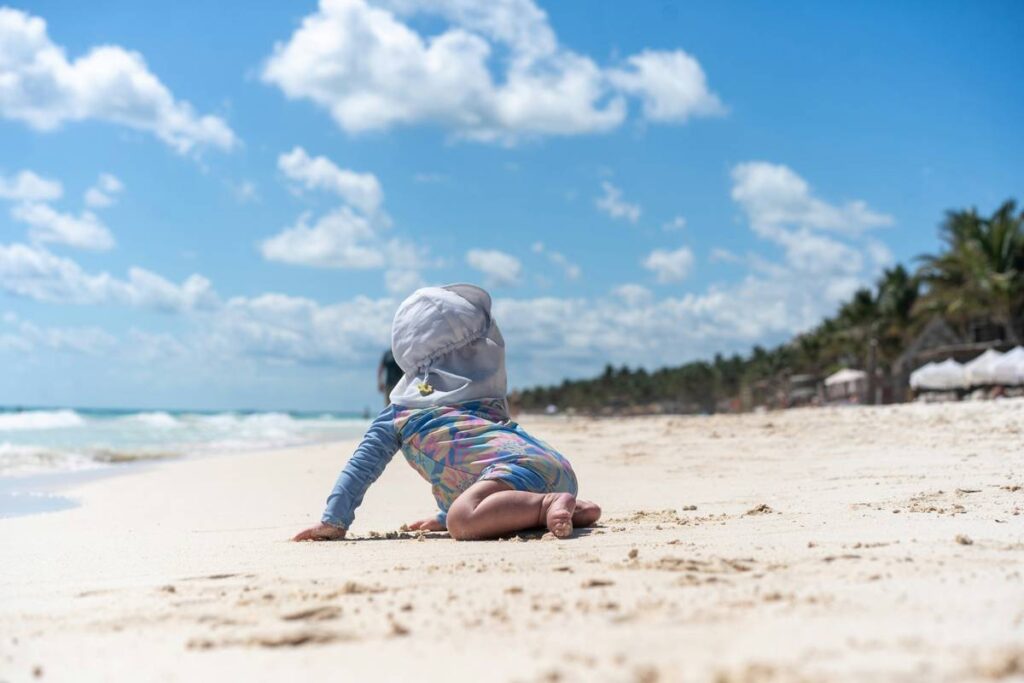
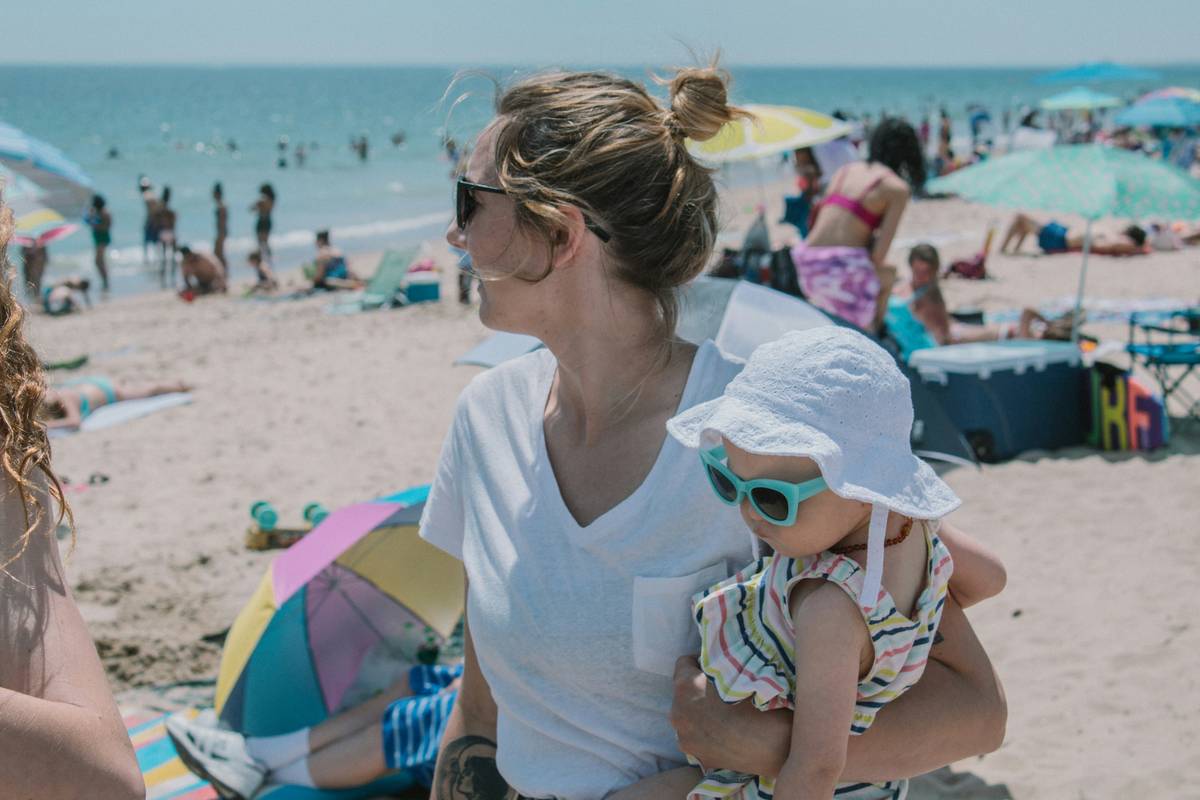
Use wide-brimmed hats, UV-blocking clothing, and shade. Sunscreen alone isn’t enough.
7. Store Properly
Heat degrades active ingredients. Keep tubes in cool, shaded places—not your hot car console.
Best Practices for Maximum Protection
- Never use expired sunscreen. Active ingredients break down over time.
- Avoid “natural” sunscreens without SPF verification. Coconut oil, for example, offers only SPF 4–8—nowhere near sufficient.
- Don’t skip cloudy days. Up to 80% of UV rays penetrate cloud cover (EPA data).
- Wash off thoroughly at day’s end. Residue can clog pores or cause irritation overnight.
Real-World Results: What Works (and What Doesn’t)
In a 2023 consumer study by the Environmental Working Group, parents who followed proper steps to apply sunscreen reported 68% fewer sun-related rashes and irritations over a summer season. One mom in Seoul noted her toddler went from daily redness to zero reactions after switching to a zinc-only formula and applying a full teaspoon per limb—not just a quick swipe.
Conversely, those using adult chemical sunscreens or skipping reapplication saw flare-ups within hours. Remember: SPF isn’t magic—it’s math. Half the recommended amount gives you only one-quarter of the labeled protection. That “SPF 50” becomes SPF 12 if you skimp.
Frequently Asked Questions
Can I use baby sunscreen on my face?
Yes—mineral baby sunscreens are often gentler than adult versions and suitable for sensitive facial skin.
How much sunscreen do I need for a baby?
A general rule: 1 ounce (30 ml) for full-body coverage. For just face and arms, use about 1 teaspoon.
Is it safe to use sunscreen on babies under 6 months?
The FDA and AAP advise keeping infants under 6 months out of direct sun entirely. Use shade, clothing, and hats instead. If unavoidable, apply minimal mineral sunscreen to small areas like face and hands—but consult your pediatrician first.
Do I need to reapply sunscreen if my baby is in the shade?
Yes. UV rays reflect off sand, water, and concrete, reaching skin even under umbrellas or trees.
What’s the worst sunscreen mistake parents make?
Assuming “once-a-day” formulas exist. There’s no such thing—reapplication is mandatory. Also, using expired or improperly stored products drastically reduces effectiveness.
Are spray sunscreens okay for babies?
No. Inhalation risks and inconsistent coverage make lotions or sticks the only safe choices for infants.
Getting the steps to apply sunscreen right isn’t perfectionism—it’s prevention. When in doubt, reach out. We’re here to help you choose safer, smarter skincare for your little ones. Have questions about ingredients or routines? Contact us anytime. (And yes, we take privacy seriously—see our Privacy Policy.)
Remember: the best sunscreen is the one applied correctly—and consistently. Your baby’s future skin will thank you.