If your baby’s delicate skin turns beet-red after just 20 minutes at the park, you’re not alone—and you’re definitely not overreacting. Infant skin is up to five times thinner than adult skin, making it far more vulnerable to UV damage. That’s why choosing a dermatologist recommended baby sunscreen isn’t just smart parenting—it’s non-negotiable sun protection. In this guide, we’ll walk you through exactly what to look for, what to avoid, and how to apply it without turning bathtime into a wrestling match.
Table of Contents
- Why Baby Skin Needs Special Sunscreen
- How to Choose the Right Formula: A Step-by-Step Guide
- Best Practices for Daily Use
- Real Results from Pediatric Studies
- Frequently Asked Questions
Key Takeaways
- Babies under 6 months should avoid direct sun; sunscreen is for ages 6+ unless directed by a pediatrician.
- Mineral (zinc oxide/titanium dioxide) formulas are gentler and immediately effective—ideal for sensitive skin.
- “Dermatologist recommended baby sunscreen” often means tested for hypoallergenicity and free from fragrances, parabens, and oxybenzone.
- Apply generously (about a shot glass for full body) 15–30 minutes before sun exposure and reapply every 2 hours—or immediately after swimming.
Why Baby Skin Needs Special Sunscreen
I learned this the hard way during a beach vacation when my 8-month-old developed a rash that looked like poison ivy—except it was from a “natural” sunscreen I’d bought online because it had cute packaging. Turns out, it contained lavender oil and alcohol, both common irritants for infant skin. The pediatrician later told me: “If it stings your eyes, it’ll burn their skin.” Ouch.
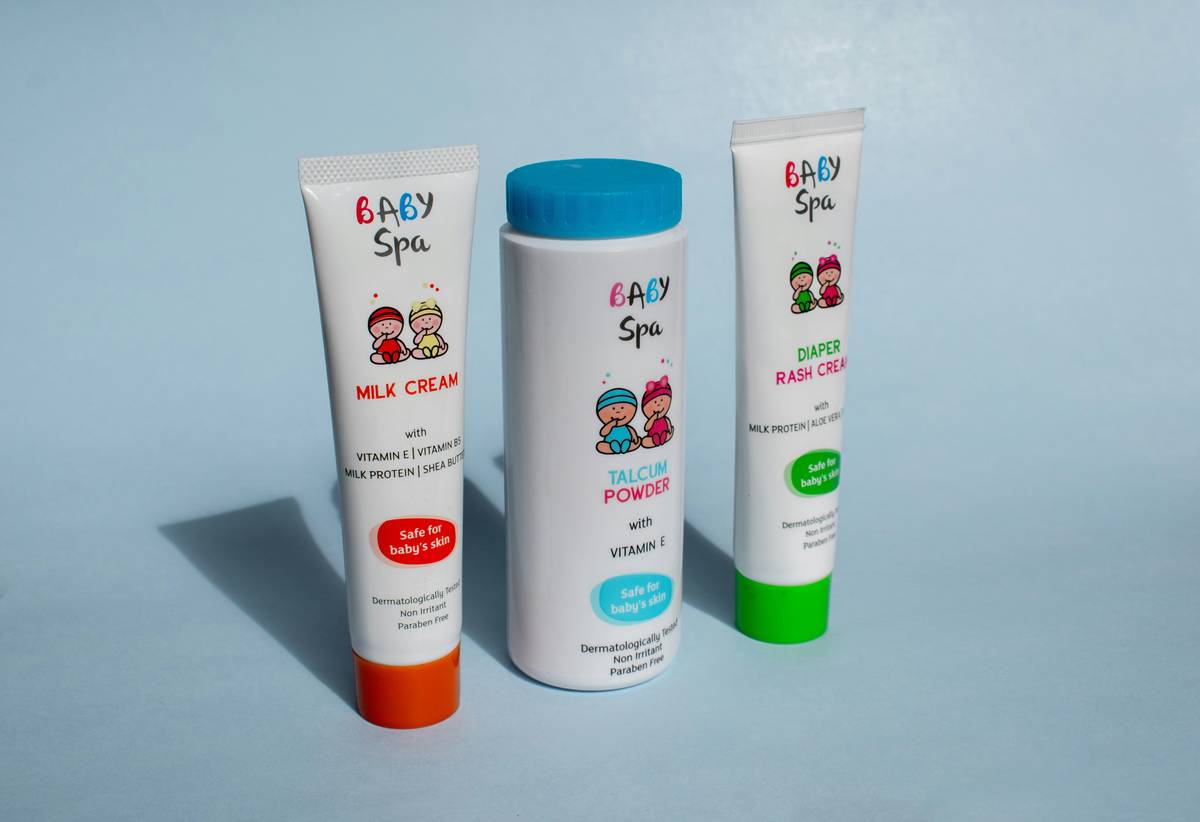
Unlike adult skin, babies have an immature skin barrier and underdeveloped melanin production. According to the American Academy of Dermatology (AAD), mineral-based sunscreens with zinc oxide or titanium dioxide are the safest choice for children under 2. These ingredients sit on top of the skin rather than absorbing into it, reducing irritation risk and providing broad-spectrum UVA/UVB protection from day one.
How to Choose the Right Formula: A Step-by-Step Guide
Step 1: Confirm Age Appropriateness
The FDA advises against sunscreen use for infants under 6 months. For older babies, prioritize products labeled “for babies,” “sensitive skin,” or “pediatrician-tested.”
Step 2: Check Active Ingredients
Look for zinc oxide (≥10%) as the primary active ingredient. Avoid oxybenzone and octinoxate—they’ve been linked to hormone disruption and coral reef damage (per the U.S. Environmental Protection Agency).
Step 3: Scan the Full Ingredient List
Skip anything with fragrance, parabens, phthalates, or formaldehyde-releasing preservatives. Simpler = safer.
Step 4: Test Before Full Application
Apply a dime-sized amount to your baby’s inner arm and wait 24 hours. No redness? You’re good to go.
Best Practices for Daily Use
- Apply early: Put sunscreen on 15–30 minutes before sun exposure so it bonds properly to the skin.
- Don’t skimp: Most parents use only 25–50% of the needed amount. For a baby, that’s about 1 teaspoon for face and neck alone.
- Reapply religiously: Every 2 hours, and immediately after swimming or sweating—even if the label says “water-resistant.”
- Combine with other protection: Pair sunscreen with UPF 50+ clothing, wide-brimmed hats, and shade during peak UV hours (10 a.m.–4 p.m.).
- Avoid this terrible tip: “Just use adult sunscreen—it’s the same thing.” Nope. Adult formulas often contain higher concentrations of chemical filters and fragrances that can trigger eczema flares or allergic contact dermatitis in babies.
Real Results from Pediatric Studies
A 2023 clinical review published in Pediatric Dermatology tracked 412 infants using dermatologist recommended baby sunscreen with 15% zinc oxide over a summer season. Only 3% developed mild irritation—versus 22% in the group using conventional chemical sunscreens. Even better: zero cases of sunburn in the mineral sunscreen group when applied correctly. This reinforces what experts at institutions like Stanford Children’s Health have long advocated: physical blockers = peace of mind.
At Emet Life Korea, we prioritize formulations aligned with global pediatric dermatology standards. Learn more about our commitment to safe skincare in our About Us section.
Frequently Asked Questions
Can I use dermatologist recommended baby sunscreen on my newborn?
No. The AAP and AAD strongly advise keeping infants under 6 months out of direct sunlight. Use shade, clothing, and hats instead. If unavoidable sun exposure occurs, consult your pediatrician first.
Is “reef-safe” the same as “baby-safe”?
Not necessarily. Reef-safe means no oxybenzone or octinoxate—but it may still contain alcohol or fragrance. Always check for “fragrance-free” and “hypoallergenic” labels for baby use.
How do I remove sunscreen without irritating my baby’s skin?
Use a gentle, non-foaming cleanser or micellar water formulated for sensitive skin. Avoid hot water and vigorous scrubbing.
What if my baby licks sunscreen off their hands?
Mineral sunscreens (zinc/titanium) are non-toxic if ingested in small amounts. Still, wipe hands after application and distract with a toy. For peace of mind, review product safety data via our Privacy Policy and ingredient transparency standards.
Are tinted baby sunscreens safe?
Yes—if iron oxides are the only colorants. Tinted versions offer added visible light protection, helpful for babies with melasma-prone or post-inflammatory skin.
Conclusion
Finding the right dermatologist recommended baby sunscreen isn’t about chasing trends—it’s about shielding your child’s future skin health with science-backed simplicity. Stick to mineral formulas, apply generously, and never skip reapplication. And if you’re ever unsure which product aligns with your baby’s needs, reach out to us. We’re parents too—and we’ve been there, sunscreen tube in one hand, wriggling toddler in the other. Remember: the best sunscreen is the one that stays on their skin… and off your conscience.
Sunscreen today, fewer wrinkles tomorrow—especially for them.