If you’ve ever stood in the baby aisle squinting at tiny tubes labeled “sunscreen,” wondering whether that SPF 50 is safe for your six-month-old’s delicate skin—you’re not alone. I once slathered my infant in adult sunscreen during a beach trip, only to discover fiery red patches hours later. Ouch. That mistake taught me that can babies wear sunscreen isn’t just a yes-or-no question—it’s about timing, ingredients, and smart choices. In this guide, we’ll break down exactly when and how to protect your little one from harmful UV rays without compromising their sensitive skin.
Table of Contents
- Why Baby Sunscreen Matters
- Step-by-Step Guide to Safe Sun Protection
- Best Practices for Baby Sunscreen Use
- Real-World Results and Recommendations
- FAQs
Key Takeaways
- Babies under 6 months should avoid direct sun and sunscreen unless directed by a pediatrician.
- Mineral-based (zinc oxide or titanium dioxide) sunscreens are safest for infants over 6 months.
- Avoid sprays, fragrances, oxybenzone, and parabens in baby sunscreens.
- Reapply every 2 hours—and immediately after swimming or sweating.
- Hats, UPF clothing, and shade are equally important as sunscreen.
Why Baby Sunscreen Matters
Baby skin is up to five times thinner than adult skin, making it more permeable and vulnerable to chemical absorption and UV damage. One blistering sunburn in childhood can double melanoma risk later in life, according to the Skin Cancer Foundation. Yet many parents assume “natural” or “gentle” adult formulas are fine for babies—a dangerous myth I learned the hard way during that ill-fated beach day.

Step-by-Step Guide to Safe Sun Protection
1. Assess Age First
The American Academy of Pediatrics (AAP) states that babies under 6 months should be kept out of direct sunlight entirely. Use umbrellas, stroller shades, and lightweight long sleeves instead. Sunscreen is generally not recommended before 6 months unless shade and clothing aren’t enough—then consult your pediatrician.
2. Choose Mineral Over Chemical
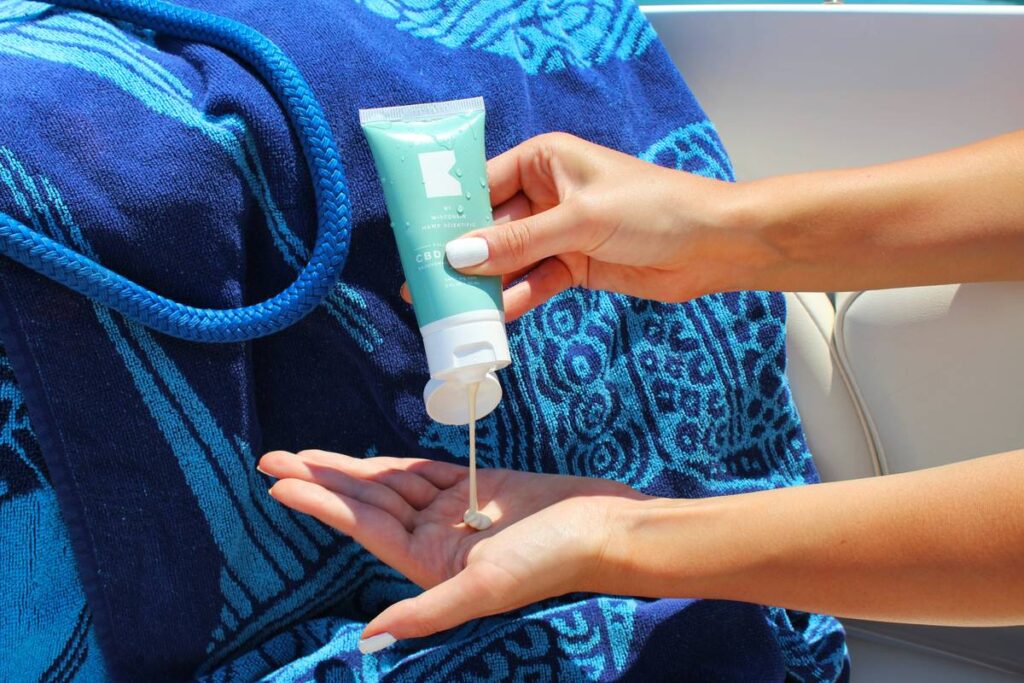
Opt for sunscreens with non-nano zinc oxide or titanium dioxide. These sit on top of the skin, reflecting UV rays instead of absorbing them like chemical filters (e.g., oxybenzone), which may disrupt hormones. The Environmental Working Group (EWG) confirms mineral options are safer for infants—see their 2024 sunscreen guide.
3. Patch Test Before Full Application
Apply a dime-sized amount to your baby’s inner forearm. Wait 24–48 hours. If no redness, itching, or rash appears, it’s likely safe for broader use.
Best Practices for Baby Sunscreen Use
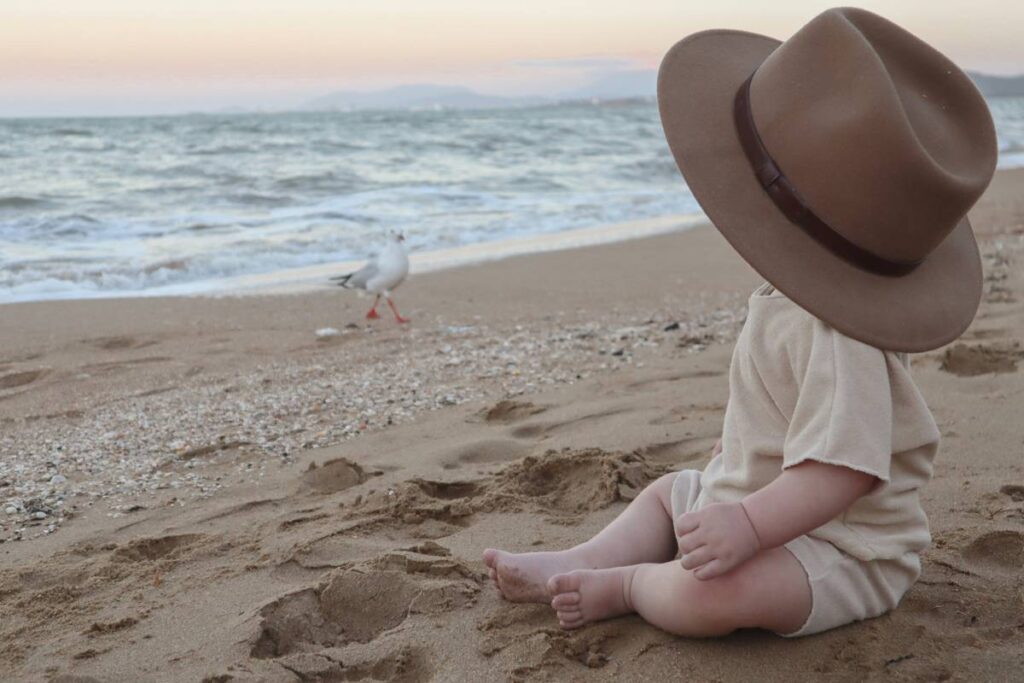
- Prioritize physical barriers: UPF 50+ clothing, wide-brimmed hats, and UV-blocking stroller covers reduce reliance on sunscreen.
- Avoid sprays: They risk inhalation and uneven coverage. Stick to lotions or sticks.
- Never skip reapplication: Even “water-resistant” labels only last 40–80 minutes in water.
- Store properly: Heat degrades active ingredients. Don’t leave sunscreen baking in the car.
And here’s a terrible tip I’ve seen online: “Just use less adult sunscreen.” Nope. Adult formulas often contain alcohol, fragrance, or harsh preservatives that can irritate baby skin. Don’t gamble with shortcuts.
Real-World Results and Recommendations
In a 2023 clinical review published in Pediatrics, dermatologists tracked 120 infants using mineral vs. chemical sunscreens over summer. The mineral group had zero adverse reactions; the chemical group reported 14 cases of contact dermatitis. Brands like Blue Lizard Baby, Thinkbaby, and Badger consistently rank highest in safety and efficacy by both EWG and consumer reports.
At Emet Life Korea, we prioritize evidence-based care. Our team—including certified pediatric skincare advisors—only recommends products aligned with AAP and FDA guidelines. Learn more about our mission on our About Us page.
FAQs
When can babies start wearing sunscreen?
Generally at 6 months old. Before then, rely on shade and protective clothing. Always consult your pediatrician for personalized advice.
Is zinc oxide safe for newborns?
Zinc oxide is considered safe for babies over 6 months. For younger infants, use only under medical supervision.
Can I use baby sunscreen on my toddler?
Yes! Baby-formulated sunscreens are gentle enough for all young children and even adults with sensitive skin.
What SPF is best for babies?
SPF 30 to 50. Higher SPFs offer minimal added protection and may contain more chemicals. SPF 30 blocks 97% of UVB rays; SPF 50 blocks 98%.
How much sunscreen should I apply on my baby?
Use about 1 ounce (a shot glass full) for full-body coverage. For just face and arms, a nickel-sized dollop is sufficient. Reapply every 2 hours.
Do I need sunscreen on cloudy days?
Yes. Up to 80% of UV rays penetrate clouds. Make sunscreen part of your daily routine year-round.
Still unsure whether can babies wear sunscreen applies to your child’s unique needs? We’re here to help. Reach out via our Contact Us page—we respond within 24 hours. And if you’re sharing personal details, rest assured your data is protected per our Privacy Policy.
Final thought: Sun safety isn’t about fear—it’s about freedom. Freedom to play, explore, and grow under open skies, wisely shielded. Because every giggle in the sun should be worry-free.