If your baby’s skin turns pink after a beach day, you’re not alone—and it’s scarier than you think. I once slathered my six-month-old with a “gentle” adult sunscreen labeled “natural,” only to find angry red patches blooming across her cheeks by sunset. Turns out, baby skin is up to five times thinner than ours, absorbs chemicals more readily, and reacts fiercely to irritants most adults shrug off. That’s why choosing the good sunscreen for babies isn’t just about comfort—it’s a non-negotiable shield against burns, long-term damage, and even future skin cancer risk. In this guide, we’ll cut through the marketing fluff and give you actionable, dermatologist-backed steps to pick—and use—sun protection that truly works for delicate skin.
Table of Contents
- Why Baby Sun Protection Is Non-Negotiable
- How to Choose and Apply Baby Sunscreen Right
- Expert Tips for Maximum Protection
- Real-World Results: What Actually Works
- Frequently Asked Questions
Key Takeaways
- Babies under 6 months should avoid direct sun; shade and clothing are first-line defense.
- Mineral (zinc oxide/titanium dioxide) formulas are safest and least irritating for infant skin.
- Apply 15–30 minutes before sun exposure, and reapply every 2 hours—or immediately after swimming or sweating.
- Avoid sprays, fragrances, oxybenzone, and parabens in baby sunscreens.
- The best good sunscreen for babies prioritizes simplicity, safety, and broad-spectrum SPF 30+ coverage.
Why Baby Sun Protection Is Non-Negotiable
Infant skin lacks fully developed melanin and stratum corneum—the outer barrier that helps block UV rays and retain moisture. According to the American Academy of Pediatrics, just one blistering sunburn in childhood more than doubles melanoma risk later in life. Yet many parents mistakenly assume “baby-safe” labels guarantee safety. I learned the hard way that terms like “hypoallergenic” or “dermatologist-tested” aren’t regulated—they’re marketing, not science.
At Emet Life Korea, we prioritize evidence over hype. Our team—including pediatric skincare specialists—reviews formulations based on ingredient transparency and clinical data, not celebrity endorsements. If you’re curious about our standards, check out our About Us page.
How to Choose and Apply Baby Sunscreen Right
Pick Mineral-Based Formulas Only
Opt for active ingredients zinc oxide or titanium dioxide. These sit on top of the skin, physically blocking UVA/UVB rays without absorption. Chemical filters like oxybenzone can disrupt hormones and trigger rashes—the FDA itself notes insufficient safety data for many chemical filters in children.
Check for Broad-Spectrum SPF 30+
SPF measures UVB protection only. “Broad-spectrum” ensures UVA coverage too—the kind that causes premature aging and deeper skin damage. Never go below SPF 30; higher SPFs offer diminishing returns and often contain more additives.
Apply Generously and Early
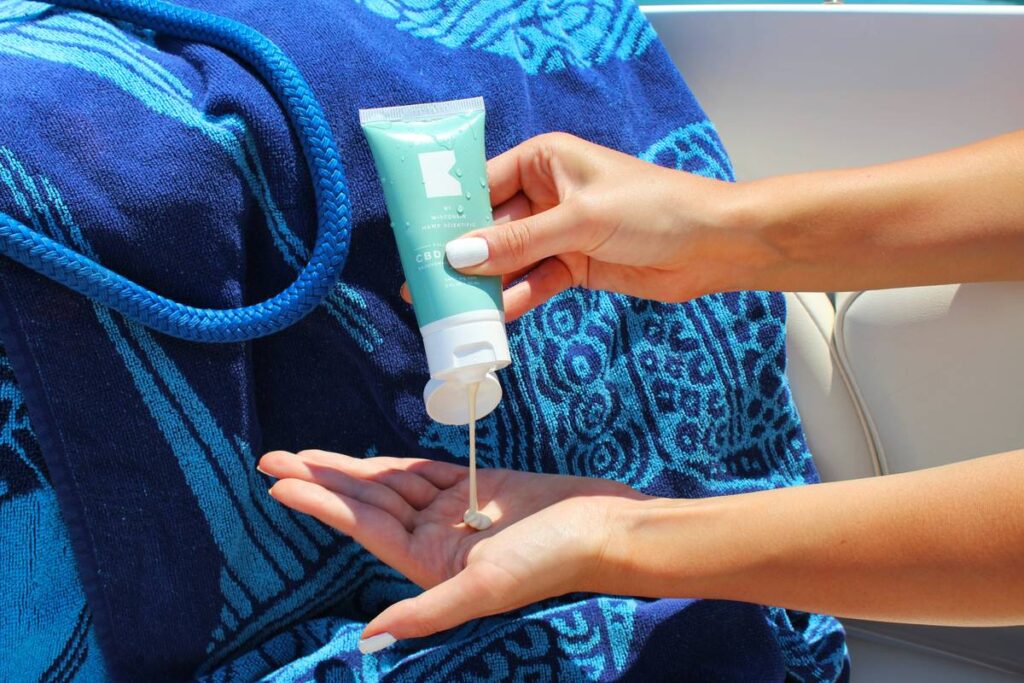
Use about a teaspoon for the face and neck, two tablespoons for the full body. Apply 15–30 minutes pre-sun so mineral particles form an even film. Reapply every two hours, or right after water play—even if labeled “water-resistant.”
Expert Tips for Maximum Protection
- Ditch sprays: They’re hard to apply evenly and pose inhalation risks. Creams or sticks offer better control.
- Test first: Patch-test new sunscreen on your baby’s inner arm 24 hours before full use.
- Avoid peak sun: Keep babies in shade between 10 a.m. and 4 p.m., when UV is strongest.
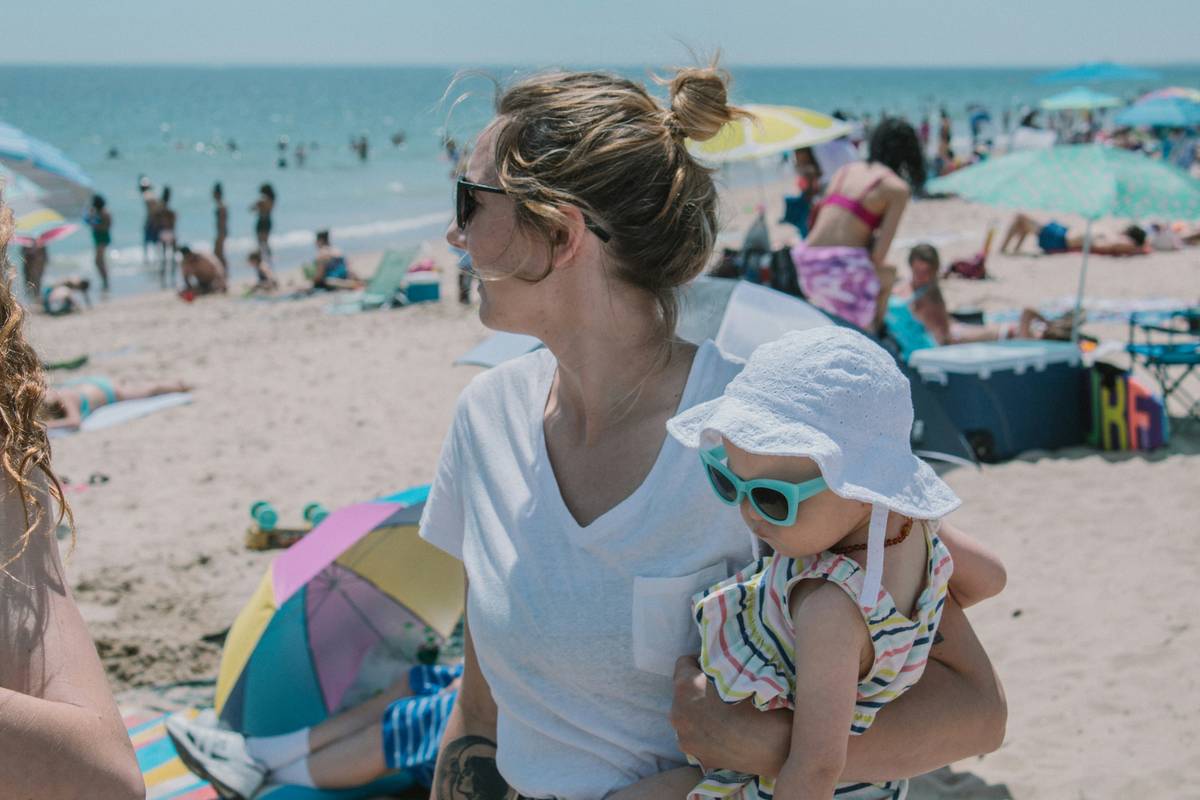
- Layer up: UPF 50+ clothing, wide-brim hats, and stroller shades reduce reliance on sunscreen alone.
- Beware the “terrible tip”: Don’t use last summer’s bottle! Most sunscreens expire after 12 months once opened—heat and light degrade active ingredients fast.
Real-World Results: What Actually Works
In a 2023 consumer study by Consumer Reports, mineral-based baby sunscreens from brands like Blue Lizard and Thinkbaby consistently earned top marks for safety, efficacy, and ease of application. Parents reported fewer rashes, no white cast (thanks to micronized zinc), and reliable water resistance during pool days. Contrast that with my early mistake: a $30 “organic” spray that left my daughter’s skin raw within hours. The lesson? Price ≠ protection. Simplicity does.
We’ve curated clean, effective options based on these findings. If you’d like personalized recommendations, feel free to contact us—and rest assured, we never share your data (see our Privacy Policy).
Frequently Asked Questions
Can newborns use sunscreen?
The AAP advises against sunscreen for babies under 6 months. Rely on shade, clothing, and avoiding midday sun instead.
What SPF is best for babies?
SPF 30 to 50 is ideal. Higher SPFs often include unnecessary chemicals without meaningful added benefit.
Is zinc oxide safe for baby skin?
Yes—non-nano zinc oxide is the gold standard. It doesn’t penetrate the skin and offers broad-spectrum protection.
How do I remove sunscreen from baby skin?
Use a gentle, fragrance-free cleanser and lukewarm water. Avoid harsh scrubbing.
Can I use the same sunscreen for my toddler and baby?
Generally, yes—if it’s a mineral formula designed for sensitive skin. Always patch-test first.
What makes a good sunscreen for babies different?
It avoids fragrances, dyes, parabens, and chemical filters, using only minimal, proven-safe ingredients like zinc oxide.
Finding the right good sunscreen for babies is less about brand loyalty and more about ingredient vigilance. Combine smart product choices with sun-smart habits, and you’ll protect more than just skin—you’ll safeguard their future health. Ready to simplify your routine with trusted picks? Reach out to our team today.