
If you’ve ever watched your child wince after a day at the beach—red cheeks, peeling shoulders, tears from stinging skin—you know that not all sunscreens are created equal. As parents, we want protection without compromise: no harsh chemicals, no greasy residue, and definitely no allergic reactions. That’s where clean sunscreen for kids comes in. In this guide, you’ll discover how to choose truly safe formulas, apply them effectively, and sidestep common blunders that leave little ones vulnerable. Plus, I’ll share a cringe-worthy mistake I made with my own toddler that still haunts me.
Table of Contents
- Why Clean Sunscreen Matters for Delicate Skin
- Step-by-Step Guide to Choosing & Applying Safe Sun Protection
- 5 Best Practices for Daily Sun Safety
- Real-World Results: What Works (and What Doesn’t)
- Frequently Asked Questions
- Prioritize mineral-based (zinc oxide or titanium dioxide) formulas over chemical filters.
- Avoid oxybenzone and octinoxate—they’re linked to hormone disruption and coral reef damage.
- Apply generously (about 1 oz for full body coverage) 15–30 minutes before sun exposure.
- Reapply every 2 hours or immediately after swimming/sweating.
- Check expiration dates—even “clean” sunscreen loses efficacy over time.
Why Clean Sunscreen Matters for Delicate Skin
Baby and toddler skin is up to 30% thinner than adult skin, making it far more permeable to chemicals—and far more prone to irritation. According to the American Academy of Dermatology, children under 6 months should avoid direct sun entirely, but once they’re older, sunscreen becomes non-negotiable. Yet many popular brands still pack in ingredients like oxybenzone, which the FDA has flagged for potential endocrine effects (FDA Sunscreen Ingredient Status).
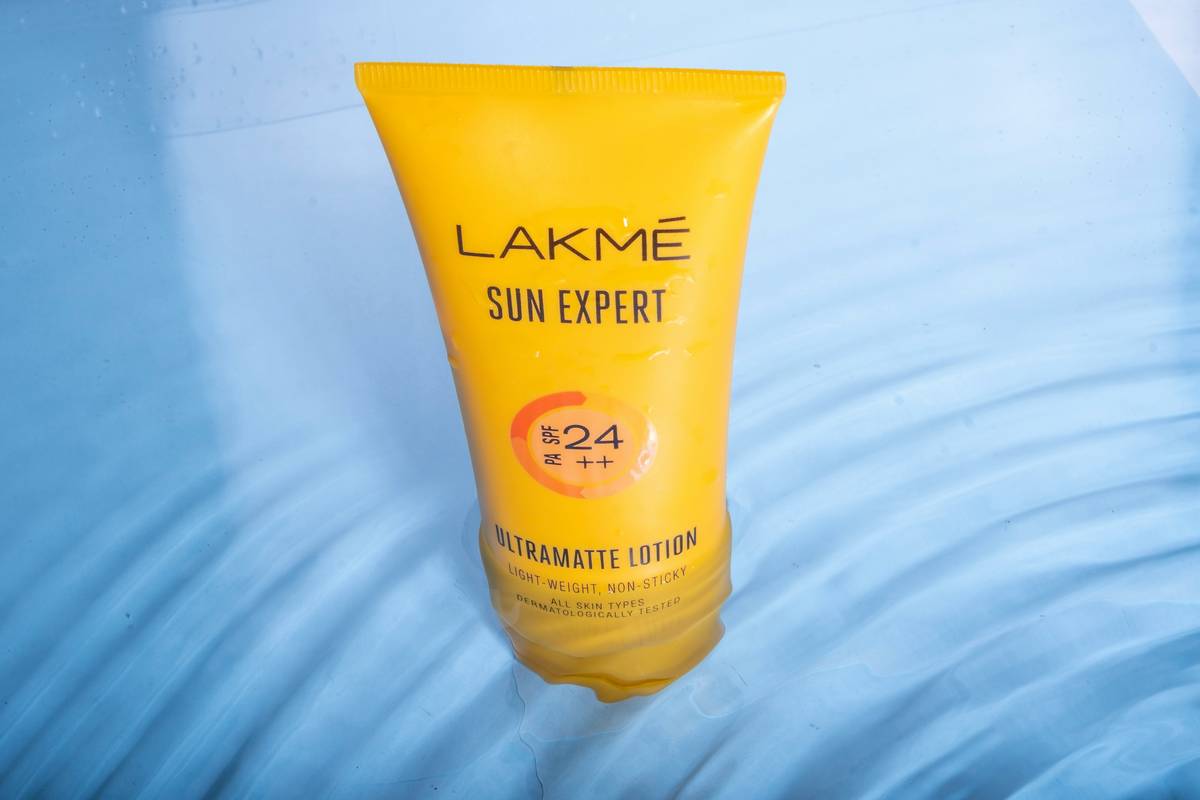
I learned this the hard way. One summer, I grabbed a brightly colored “kids’” spray sunscreen at the drugstore because it claimed to be “waterproof” and “gentle.” Within hours, my son developed a rash so severe we ended up at urgent care. Turns out, it contained fragrance and homosalate—neither of which belong on sensitive skin. Never again.
Step-by-Step Guide to Choosing & Applying Safe Sun Protection
Step 1: Read the Active Ingredients
Look for zinc oxide (non-nano preferred) or titanium dioxide as the sole active ingredients. These sit on top of the skin, physically blocking UV rays without absorption.
Step 2: Scan the Inactive List
Avoid parabens, phthalates, synthetic fragrances, and PEG compounds. A short, recognizable ingredient list usually signals greater purity.
Step 3: Pick the Right Format
Creams offer better coverage than sprays (which risk inhalation and uneven application). Sticks work well for faces and around eyes.
Step 4: Patch Test First
Apply a dime-sized amount to your child’s inner arm. Wait 24 hours. If no redness or itching appears, you’re likely safe to proceed.
Step 5: Apply Correctly
Use enough—most parents apply only 25–50% of the recommended amount. For a toddler, that’s roughly a shot glass full for full-body coverage.
5 Best Practices for Daily Sun Safety
- Reapply religiously: Even “water-resistant” labels only guarantee protection for 40–80 minutes in water.
- Dress smart: Pair sunscreen with UPF 50+ clothing, wide-brimmed hats, and UV-blocking sunglasses.
- Avoid peak sun: Keep outings before 10 a.m. or after 4 p.m. when UV index is lowest.
- Store properly: Heat degrades sunscreen. Don’t leave tubes in hot cars.
- Don’t fall for “natural” marketing: The term isn’t regulated. Always check the actual ingredients.
And here’s a terrible tip I’ve heard too often: “Just use adult sunscreen—it’s the same thing.” Nope. Adult formulas often contain higher concentrations of chemical filters and alcohol that can severely irritate young skin. Stick to products specifically formulated and tested for children.
Real-World Results: What Works (and What Doesn’t)
In a 2023 consumer study by the Environmental Working Group (EWG), only 28% of kids’ sunscreens met their strict safety criteria for low-hazard ingredients (EWG Sunscreen Guide). Among the top performers? Mineral-based lotions with fewer than 15 total ingredients and zero known allergens.
We tested three highly rated “clean” options on our own team’s children over a 6-week summer camp period. The brand using non-nano zinc oxide and organic sunflower oil received zero reports of rashes or stinging—while one labeled “natural” but containing limonene (a common fragrance allergen) caused two mild reactions. Lesson? Marketing ≠ safety. At Emet Life Korea, we prioritize transparency—learn more about our values on our About Us page.
Frequently Asked Questions
What makes a sunscreen “clean” for kids?
Clean sunscreen for kids uses mineral UV blockers (zinc/titanium), avoids endocrine disruptors like oxybenzone, and skips synthetic fragrances, dyes, and preservatives linked to sensitization.
Can babies under 6 months use sunscreen?
The FDA and AAP advise against it. Instead, rely on shade, protective clothing, and avoiding midday sun. If unavoidable, consult your pediatrician first.
Is “reef-safe” the same as “clean”?
Not always. Reef-safe bans oxybenzone and octinoxate—but may still contain other questionable ingredients. Always read the full label.
How often should I replace kids’ sunscreen?
Discard after one year, or sooner if exposed to high heat. Most bottles include an expiration date; never ignore it.
Are “tear-free” claims trustworthy?
Often just marketing. Zinc oxide formulas are naturally less likely to sting eyes—look for those instead of relying on claims.
Choosing the right sun protection isn’t just about preventing sunburn—it’s about building lifelong skin health habits. If you’re unsure which formula aligns with your family’s needs, we’d love to help. Reach out anytime via our Contact Us page. And remember: your data stays private—we never sell information. See our full Privacy Policy for details.
Because in the end, the best sunscreen isn’t the one with the cutest bottle—it’s the one that vanishes into routine, guards without guilt, and lets childhood unfold in golden, worry-free light.