Your baby’s skin burns faster than yours—up to three times faster. Yet most parents slather on whatever “gentle” formula is on sale, assuming it’s safe. Big mistake. Standard sunscreens often contain hidden irritants, unstable filters, or misleading SPF claims that leave delicate skin vulnerable. The solution isn’t just *any* baby sunscreen—it’s strategic, ingredient-aware sun protection that actually works.
Why Most Baby Sunscreens Fail at Real Sun Protection
“Baby-safe” labels are largely unregulated. A product can be fragrance-free and still harbor chemical UV filters like oxybenzone—which penetrates infant skin more easily and may disrupt hormones. Mineral sunscreens? Not all are equal either. Many use nano-sized zinc oxide that rubs in clear but increases absorption risk. And SPF 50 doesn’t mean double the protection of SPF 25—it caps around 98% UVB blocking regardless. The gap? UVA rays, which cause long-term damage and aren’t reflected by low-quality mineral formulas.
Here’s the reality: sunburn is just the tip of the iceberg. Cumulative UV exposure in infancy elevates melanoma risk decades later. You’re not just preventing a pink nose—you’re investing in lifelong skin health.
sun protection baby sunscreen can i: Your Step-by-Step Protocol
Forget guesswork. Follow this vetted framework for true defense:
Step 1: Prioritize Non-Nano Zinc Oxide (≥20%)
This physical blocker sits on top of skin—no absorption, no hormone disruption. Look for “non-nano” explicitly; particle size matters more than “natural” claims.
Step 2: Skip These Hidden Irritants
Avoid PEG compounds, phenoxyethanol above 0.5%, and any “fragrance”—even if labeled “natural.” Babies’ barrier function is immature; their skin soaks up everything.
Step 3: Apply Correctly—and Reapply Relentlessly
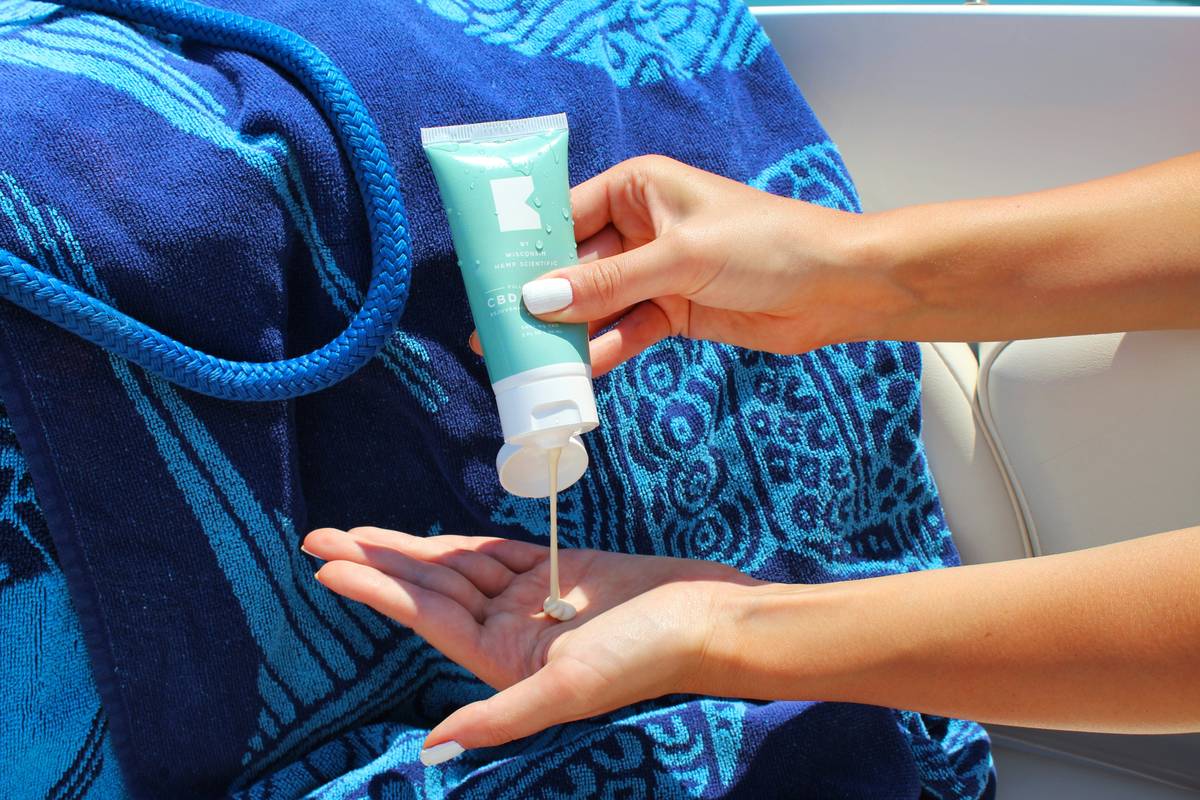
Most parents under-apply by 50%. Use two milligrams per square centimeter—that’s a quarter-sized dollop for each limb. Reapply every 40 minutes if swimming or sweating, even with “water-resistant” labels.
| Sunscreen Type | Active Ingredient | UVA Protection? | Baby-Safe Verdict |
|---|---|---|---|
| Chemical (Oxybenzone-based) | Oxybenzone, Avobenzone | Moderate (but degrades fast) | ❌ Avoid—high absorption risk |
| Mineral (Nano Zinc) | Zinc Oxide (nano) | Good | ⚠️ Risky—particles may penetrate |
| Mineral (Non-Nano Zinc) | Zinc Oxide (≥20%, non-nano) | Excellent + stable | ✅ Gold standard for infants |
| Spray Sunscreens | Varies | Inconsistent | ❌ Never for babies—inhalation hazard |
Step 4: Layer With Physical Barriers
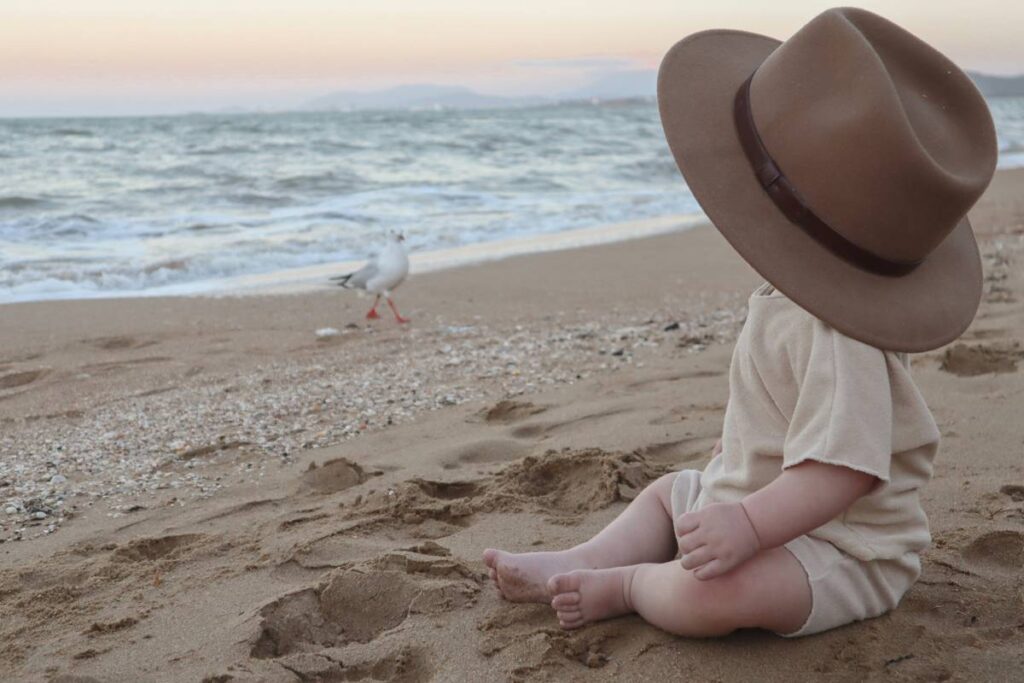
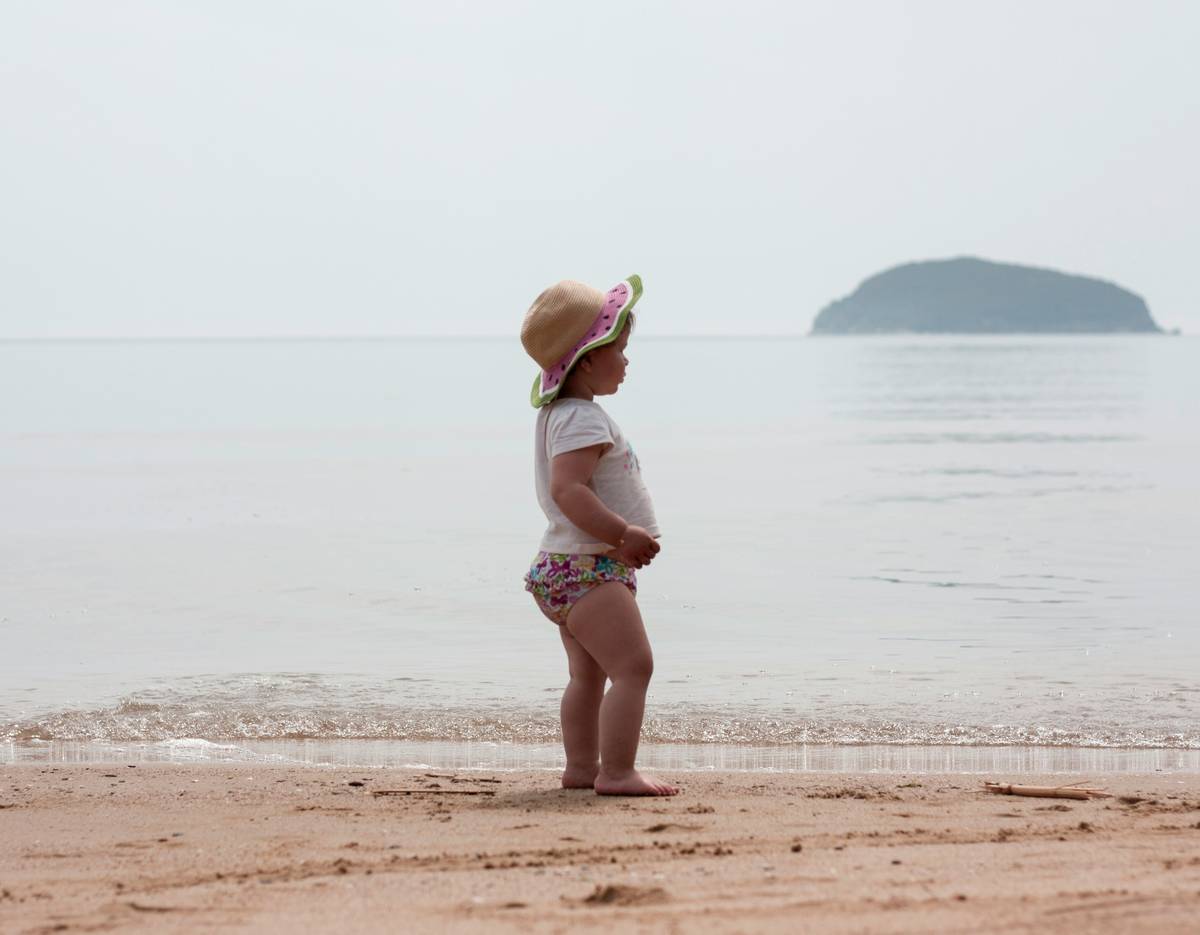
Sunscreen alone isn’t enough. Pair it with UPF 50+ clothing, wide-brimmed hats, and shade between 10 AM–4 PM. Think of sunscreen as your last line of defense—not the first.

The Industry Secret: Korean Dermatologists’ “Two-Minute Rule”
Here’s what K-beauty insiders won’t advertise: timing beats thickness. In Seoul’s neonatal clinics, nurses apply mineral sunscreen in two passes—first a light layer, then a second after 120 seconds. Why? It prevents clumping, ensures even coverage, and reduces white cast without compromising protection. Most parents glob it on once and call it done. But uneven application creates micro-gaps where UV sneaks through. The math is simple: 2 minutes extra = near-total coverage. Try it—it transforms how sunscreen performs on wriggly, sensitive skin.
FAQ
Can I use regular sunscreen on my baby?
No. Adult formulas often contain higher concentrations of chemical filters and preservatives unsafe for infants under 6 months. Stick to pediatrician-approved mineral options.
Is SPF 30 enough for babies?
Only if applied perfectly—which rarely happens. Opt for SPF 30–50 with non-nano zinc oxide. Higher SPF offers marginal gains but better UVA/UVB balance in quality brands.
When can I start using sunscreen on my newborn?
The American Academy of Pediatrics says avoid direct sun entirely for babies under 6 months. After that, mineral sunscreen is safe—but prioritize shade and clothing first.