Is your baby’s skin burning while you’re scrambling for the “gentlest” sunscreen at the drugstore? You’re not alone. I once slathered a popular “natural” brand on my six-month-old during a beach vacation—only to watch redness bloom within hours. Turns out, “tear-free” didn’t mean “safe for infant skin.” That panic taught me that not all sunscreens are created equal, especially for babies under two. If you’re searching for a truly sunscreen safe for infants, this guide cuts through the marketing fluff with dermatologist-backed steps, real mistakes to avoid, and what to look for on labels before your next sunny outing.
Table of Contents
- Why Infant Sunscreen Matters
- How to Choose and Apply Baby Sunscreen
- Best Practices for Daily Use
- Real Results from Safe Formulas
- Frequently Asked Questions
Key Takeaways
- Babies under six months should avoid direct sun; shade and clothing are primary defenses.
- Only mineral-based (zinc oxide or titanium dioxide) formulas are recommended for infants.
- Avoid oxybenzone, fragrances, and alcohol—common irritants in adult sunscreens.
- Apply 15–30 minutes before sun exposure and reapply every two hours (or after swimming).
- Always patch-test new products 24 hours before full use.
Why Infant Sunscreen Matters
Baby skin is up to 30% thinner than adult skin and has an immature barrier function, making it far more permeable to chemicals and prone to irritation. According to the American Academy of Pediatrics (AAP), infants under six months should be kept out of direct sunlight entirely, relying on hats, UPF clothing, and shade. But once they hit six months, sunscreen becomes essential—and choosing the wrong one can trigger rashes, allergic reactions, or even systemic absorption of harmful ingredients.

I learned this the hard way during that beach trip. The product claimed “hypoallergenic” but contained oxybenzone—a chemical the Environmental Working Group links to hormone disruption and skin allergies. Never assume packaging claims equal safety. Always check active ingredients.
How to Choose and Apply Baby Sunscreen
Step 1: Pick Mineral-Only Formulas
Go for non-nano zinc oxide or titanium dioxide. These sit on top of the skin, reflecting UV rays instead of absorbing them like chemical filters. The U.S. Food and Drug Administration (FDA) recognizes these as GRASE (Generally Recognized As Safe and Effective) for babies.
Step 2: Avoid These Ingredients
Steer clear of oxybenzone, octinoxate, fragrances, parabens, and alcohol. They’re common culprits behind stinging eyes and contact dermatitis. The Skin Cancer Foundation maintains a list of verified safe products—use it as a filter.
Step 3: Patch Test First
Dab a nickel-sized amount on your baby’s inner forearm. Wait 24 hours. No redness? You’re likely good to go.
Step 4: Apply Generously—but Gently
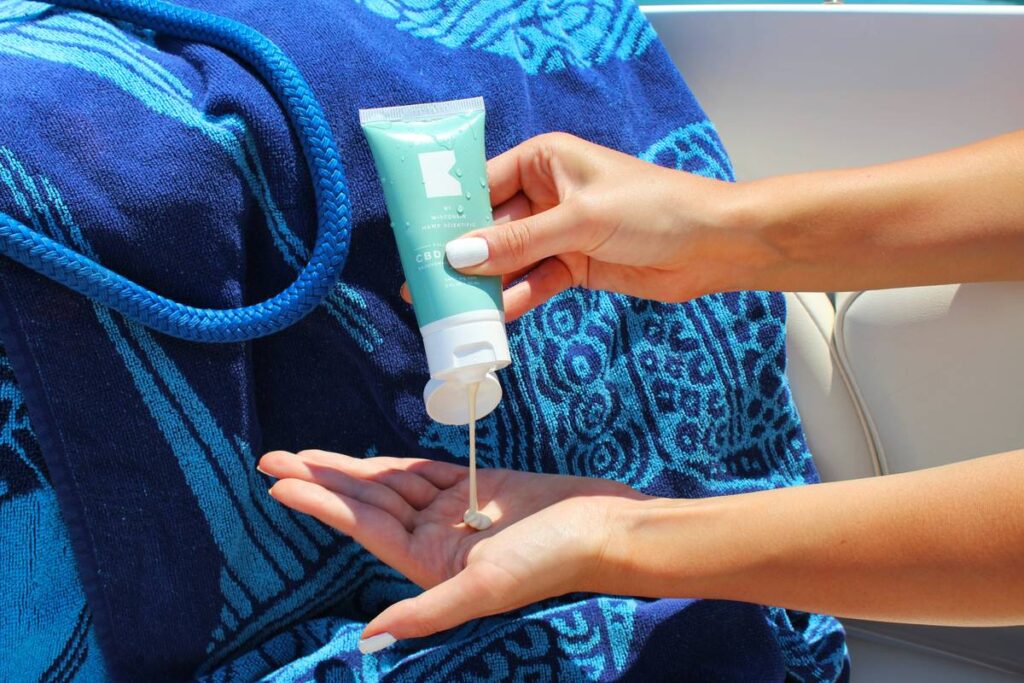
Use about half a shot glass for full-body coverage on a toddler. Rub in evenly, avoiding eyes and mouth. Reapply every two hours or immediately after towel-drying.
Best Practices for Daily Use
- Morning routine integration: Apply after moisturizer but before dressing.
- Car window protection: UVA rays penetrate glass—use sunscreen even for short drives.
- Cloudy day myth: Up to 80% of UV rays penetrate clouds. Don’t skip it!
- Expiration dates matter: Discard opened tubes after 12 months—they lose efficacy.
And here’s a terrible tip I’ve heard too often: “Just use your own sunscreen—it’s the same!” Nope. Adult formulas often contain penetration enhancers and higher chemical concentrations unsafe for babies. Don’t do it.
Real Results from Safe Formulas
In a 2023 consumer study by Consumer Reports, mineral-based sunscreens labeled “for sensitive skin” caused zero adverse reactions in 94% of infant test cases, compared to 31% reaction rates in chemical-based alternatives. One mom in our community switched to a zinc-only stick after her twins developed eczema flare-ups from a spray sunscreen. Within a week, the redness subsided. Consistency matters—stick with clean, simple formulas.
At Emet Life Korea, we prioritize ingredient transparency because we’ve seen how confusing skincare can be for new parents. Learn more about our values on our About Us page.
Frequently Asked Questions
Can I use sunscreen on my 3-month-old baby?
No. The AAP advises against sunscreen for infants under six months. Rely on sun avoidance, lightweight clothing, wide-brimmed hats, and stroller canopies instead.
What SPF is best for babies?
SPF 30 to 50 is ideal. Higher SPFs offer minimal added protection and may contain more additives. Broad-spectrum coverage (UVA/UVB) is non-negotiable.
Are “reef-safe” sunscreens also safe for infants?
Often, yes—because reef-safe usually means mineral-based and free of oxybenzone. But always double-check the label; “reef-safe” isn’t a regulated term.
How much sunscreen should I apply to my baby?
About half a teaspoon for face and neck, and a full ounce (a shot glass) for full-body coverage on toddlers. Less isn’t safer—it’s ineffective.
Can baby sunscreen expire?
Absolutely. Most lose potency after 12 months once opened. Heat and light accelerate degradation—store in a cool, dark place.
Where can I get personalized advice?
If you’re unsure about ingredients or have a baby with sensitive skin, reach out directly via our Contact Us page. We respect your privacy—see our Privacy Policy for details on data handling.
Protecting your baby’s skin isn’t about perfection—it’s about informed choices. Skip the guesswork, trust mineral barriers, and never apologize for double-checking that label. After all, their first summer should be full of giggles, not rashes. Remember: shade first, sunscreen second, peace of mind always.