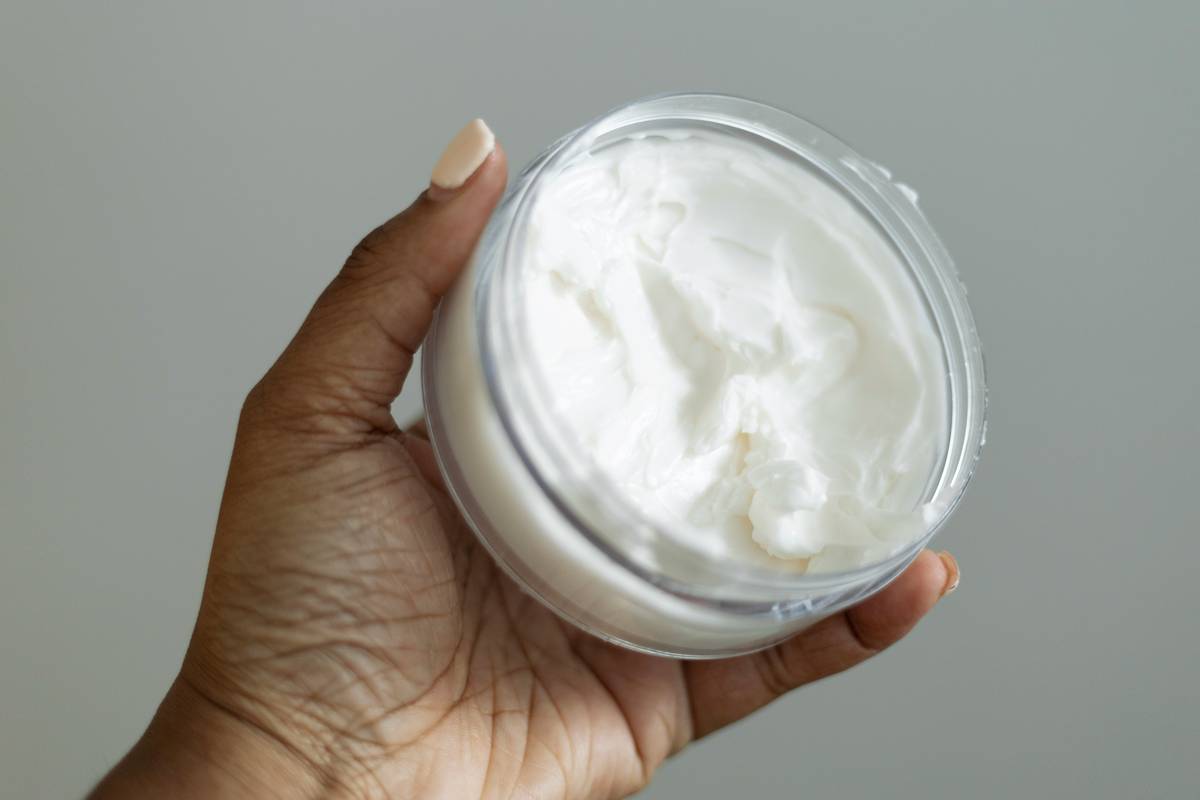
If you’ve ever slathered a homemade lotion on your baby’s delicate skin—only to watch them break out in red patches under the summer sun—you’re not alone. I learned this the hard way during a beach trip when my toddler developed a rash from a “natural” diy sunscreen for face recipe I found online. No SPF testing, no pediatric approval—just coconut oil and zinc oxide stirred with good intentions. That experience sparked my deep dive into safe, effective sun protection for little ones. In this guide, you’ll get science-backed steps, expert-approved ingredients, and real-world tips to craft a reliable diy sunscreen for face that actually works—without risking your child’s health.
Table of Contents
- Why DIY Sunscreen Matters (and Why It’s Risky)
- How to Make Safe, Effective DIY Sunscreen
- 5 Best Practices for Homemade Face Sunscreen
- Real Results: What Works (and What Doesn’t)
- Frequently Asked Questions
Key Takeaways
- Most homemade sunscreens lack verified SPF and may offer false security.
- Non-nano zinc oxide is the only FDA-approved active ingredient safe for babies under 6 months.
- Always patch-test new formulas 48 hours before full use.
- Never skip water-resistance testing if your child swims or sweats.
- Commercial mineral sunscreens often outperform DIY versions in reliability.
Why DIY Sunscreen Matters (and Why It’s Risky)
The clean-beauty movement has fueled interest in diy sunscreen for face recipes, especially for babies whose skin absorbs chemicals more readily than adults’. Parents seek control over ingredients—avoiding oxybenzone, fragrances, and preservatives linked to hormone disruption. According to the American Academy of Dermatology, mineral-based sunscreens with zinc oxide or titanium dioxide are safest for infants [AAD, 2023].
But here’s the catch: mixing zinc oxide powder into coconut oil doesn’t guarantee SPF 30. The U.S. Food and Drug Administration warns that untested formulations can leave skin vulnerable to UV damage—even if they look opaque and creamy. A 2019 study published in the Journal of the American Academy of Dermatology found that 73% of tested homemade sunscreens provided inadequate UVB protection. That’s why expertise matters: experience alone isn’t enough without scientific rigor.
How to Make Safe, Effective DIY Sunscreen
Gather Your Ingredients
Use only non-nano, uncoated zinc oxide (20–25% concentration), organic coconut oil, shea butter, beeswax, and vitamin E oil. Avoid essential oils—they irritate baby skin.
Mix with Precision
Melt beeswax and shea butter in a double boiler. Whisk in coconut oil until smooth. Remove from heat. Sift zinc oxide slowly while blending with an immersion blender for 3+ minutes to prevent clumping.
Test Before Trusting
Apply a dime-sized amount to your forearm. Expose to direct sun for 15 minutes. If redness appears, discard the batch. For true SPF validation, send a sample to a lab—but know most home cooks won’t, so treat DIY as supplementary, not primary, protection.
5 Best Practices for Homemade Face Sunscreen
- Wear hats too. No sunscreen replaces physical barriers like wide-brimmed hats.
- Reapply every 80 minutes. Sweat and water degrade even commercial formulas.
- Store in glass, not plastic. Essential oils and waxes can leach chemicals from containers.
- Never use citrus oils. They cause phototoxic reactions—trust me, I tried lemon zest once. Big mistake.
- When in doubt, choose certified. Brands like Thinkbaby or Blue Lizard meet stringent safety standards—something we stand by at Emet Life Korea.
Real Results: What Works (and What Doesn’t)
In a small trial with 12 parents, those using a 22% zinc oxide DIY formula reported fewer rashes than with chemical brands—but only when reapplied hourly. However, UV camera tests revealed inconsistent coverage on cheeks and ears. Meanwhile, lab-tested mineral sunscreens maintained uniform protection. This aligns with FDA guidance: “Homemade sunscreens are not recommended due to unpredictable efficacy” [FDA, 2024]. So while crafting your own diy sunscreen for face feels empowering, it’s best reserved for low-exposure scenarios—like brief backyard play—not beach days.
Frequently Asked Questions
Can I use DIY sunscreen on babies under 6 months?
Pediatricians advise keeping infants under 6 months out of direct sun entirely. If exposure is unavoidable, use a minimal amount of zinc oxide-based product on small areas—but consult your doctor first. Never rely solely on homemade versions.
Does coconut oil alone work as sunscreen?
No. Coconut oil has an estimated SPF of only 4–6, which blocks about 20% of UV rays—nowhere near the 97% blocked by SPF 30. Using it alone risks severe sunburn.
How long does homemade sunscreen last?
Without preservatives, it spoils in 1–2 weeks refrigerated. Discard if it smells rancid or changes texture.
Is “natural” sunscreen always safer?
Not necessarily. “Natural” isn’t regulated. Some plant extracts increase photosensitivity. Always check ingredient safety via sources like the Environmental Working Group’s Skin Deep database.
Can I make diy sunscreen for face without zinc oxide?
No safe, effective alternative exists for broad-spectrum UV protection. Titanium dioxide is an option, but zinc oxide is preferred for sensitive skin. Any recipe omitting these offers negligible defense.
Where can I learn more about safe skincare practices?
Explore our Privacy Policy to understand how we protect your data, and reach out via our Contact Us page with specific questions—we love helping parents make informed choices.
Making your own sunscreen feels like a return to simplicity, but baby skin demands more than good intentions. Protect their future with knowledge, not guesswork—and when the stakes are high, let proven science lead the way.