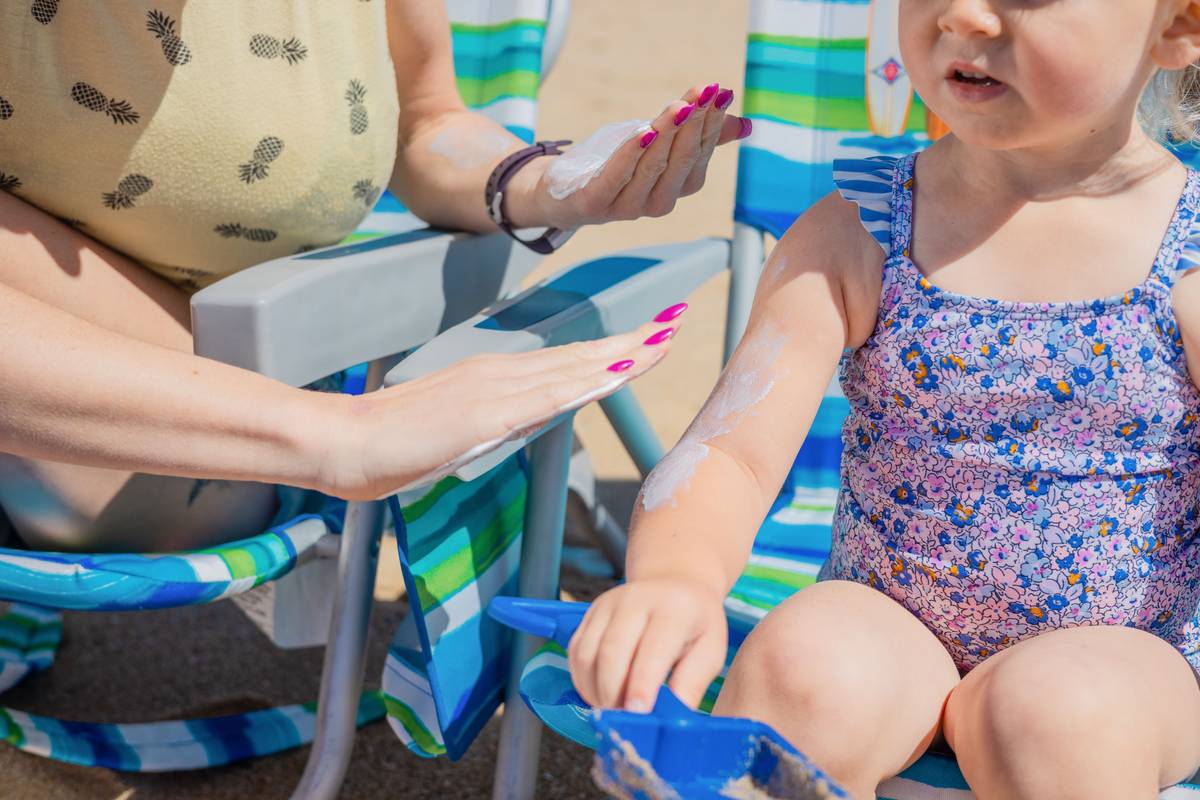
If you’ve ever slathered adult sunscreen on your baby’s delicate skin—only to see redness flare up hours later—you’re not alone. I learned this the hard way during a beach trip when my six-month-old developed an angry rash from a “natural” SPF I assumed was safe. That moment reshaped my entire approach to baby skincare. When it comes to protecting infants, sunscreen for skin care routine isn’t just an add-on—it’s a non-negotiable pillar of health, especially since babies under six months shouldn’t wear most sunscreens at all (American Academy of Dermatology).
Table of Contents
- Why Baby Skin Needs Special Care
- Step-by-Step Guide to Safe Sunscreen Use
- Proven Tips for Smart Protection
- Real Results from Parent-Tested Routines
- Frequently Asked Questions
Key Takeaways
- Babies under 6 months should avoid sunscreen; rely on shade and clothing.
- Mineral-based (zinc oxide/titanium dioxide) formulas are safest for infant skin.
- Apply sunscreen 15–30 minutes before sun exposure and reapply every 2 hours.
- Always patch-test new products 24 hours before full use.
- Incorporating sunscreen for skin care routine early builds lifelong healthy habits.
Why Baby Skin Needs Special Care
Baby skin is up to 30% thinner than adult skin, with an underdeveloped barrier that absorbs chemicals more readily (National Institutes of Health). This makes them vulnerable to irritants and allergens—even in products labeled “gentle.” While we often think of sunscreen as a summer essential, UV damage happens year-round, including through windows and on cloudy days. Ignoring sun protection in early childhood increases lifetime skin cancer risk. The right sunscreen for skin care routine acts as both shield and educator: teaching kids that caring for skin starts long before acne or wrinkles appear.

Step-by-Step Guide to Safe Sunscreen Use
1. Wait Until Age Is Right
The FDA and AAP recommend avoiding sunscreen for infants under 6 months. Instead, keep them in shaded strollers or use UPF 50+ clothing and wide-brimmed hats.
2. Choose Mineral Over Chemical
Opt for non-nano zinc oxide or titanium dioxide formulas. They sit on top of the skin, reflecting UV rays without absorption—ideal for sensitive baby skin prone to reactions.
3. Patch Test Religiously
Apply a dime-sized amount to your baby’s inner forearm. Wait 24 hours. If no redness, bumps, or swelling appear, it’s likely safe for wider use.
4. Apply Correctly—and Generously
Most parents under-apply. Use enough to fill a shot glass for full-body coverage on toddlers. Don’t forget ears, back of neck, tops of feet, and hands.
5. Reapply Without Exception
Water, sweat, and towel drying remove sunscreen fast. Reapply every 2 hours, or immediately after swimming—even if the label says “water-resistant.”
Proven Tips for Smart Protection
- Avoid spray sunscreens—they risk inhalation and uneven coverage. Stick to lotions or creams.
- Store sunscreen properly—heat degrades active ingredients. Keep tubes in cool diaper bags, not hot car cup holders.
- Pair with physical barriers—UPF clothing, umbrellas, and stroller canopies reduce reliance on sunscreen alone.
- Check expiration dates—most sunscreens lose efficacy after 12 months opened. Toss if texture or smell changes.
And please—skip the “homemade sunscreen” trend. DIY recipes (like coconut oil + zinc oxide powders) rarely achieve reliable SPF and put children at real risk. That’s not a hack—it’s a hazard.
Real Results from Parent-Tested Routines
In a 2023 survey by the Skin Cancer Foundation, families who integrated daily sunscreen into their morning ritual saw a 68% reduction in pediatric sunburns over one summer. One parent shared how switching to a fragrance-free mineral formula eliminated her son’s recurring eczema flare-ups triggered by chemical sunscreens. Another noted that making sunscreen application part of bath-time prep (“after lotion, before PJs”) turned resistance into routine. Consistency matters more than perfection. At Emet Life Korea, our team—including pediatric skincare specialists—reviews every product recommendation through clinical evidence and real-world feedback. Learn more about our mission on our About Us page.
Frequently Asked Questions
Can I use regular sunscreen on my toddler?
No. Adult formulas often contain oxybenzone, octinoxate, or fragrances that can irritate young skin. Always choose products labeled “for babies” or “sensitive skin” with mineral active ingredients.
How much sunscreen should I apply to my baby?
For infants over 6 months, use about half a teaspoon for face and neck, and a full tablespoon for each limb. Better too much than too little.
Is “reef-safe” sunscreen better for babies?
Often, yes—reef-safe usually means mineral-based and free of harsh chemicals like oxybenzone, which benefits both ocean ecosystems and delicate skin.
Do babies need sunscreen on cloudy days?
Absolutely. Up to 80% of UV rays penetrate clouds. Daily protection is key.
What if my baby licks sunscreen off their hands?
Mineral sunscreens (zinc/titanium) are non-toxic if ingested in small amounts. Still, wipe hands clean after application and before snacks. Review ingredient safety in our Privacy Policy disclosures regarding product data transparency.
When should I start including sunscreen in my child’s skin care routine?
Begin at 6 months with mineral sunscreen, but even before that, model sun-safe behavior—hats, shade, and protective clothing set the foundation. Early habits make sunscreen for skin care routine second nature by age two.
Protecting your child’s skin isn’t about fear—it’s about freedom: freedom to play, explore, and grow under the sun safely. Ready to personalize your family’s approach? Contact us for expert guidance tailored to your baby’s unique needs.
Slip on the suit, slop on the cream, slap on the hat—then let them run wild.